January 15, 2026
If you are eyeing a Port Royal waterfront home, a few extra feet of canal can change your day on the water and your bottom line. Canal width, turning room, depth, and exposure are not minor details. They drive who can buy your property, how they will use it, and what they will pay. In this guide, you will learn how these water factors influence value, what to look for during due diligence, and how to position a listing for maximum appeal. Let’s dive in.
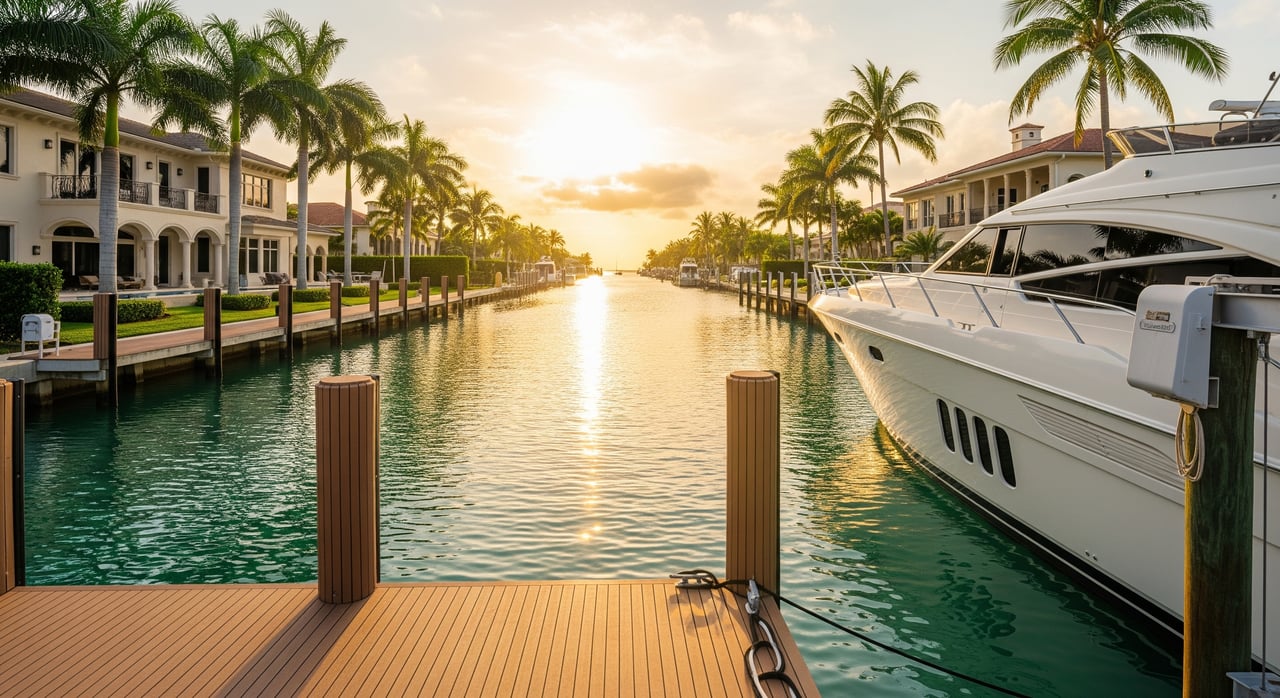
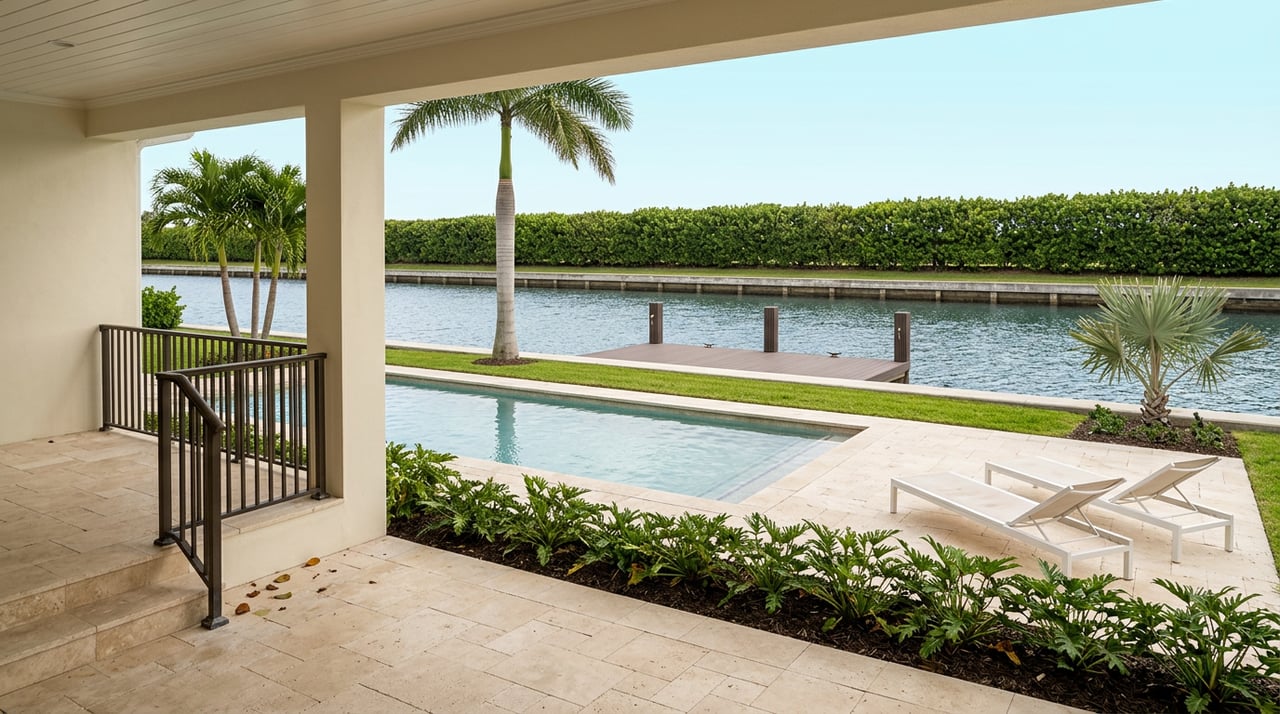
Port Royal is one of Naples’ most coveted waterfront neighborhoods. Large lots and private deep-water docks serve everything from dayboats to sizable yachts. For many buyers, the ability to keep and operate a specific vessel at home rivals the importance of interior finishes. Two similar homes can sell very differently based on the canal geometry right outside the seawall.
In simple terms: wider canals and better maneuvering space mean easier docking, safer navigation, and broader buyer appeal. Narrower or confined settings can still be desirable, but the buyer pool skews toward smaller-boat owners or those who value quiet water over yacht capacity.
Canal width is the lateral distance across the navigable channel. Wider canals allow you to approach and dock without tight turns or constant course corrections. That ease of use matters most as vessel length and beam increase. Wider settings also reduce the risk of bumping into opposing docks or pilings when wind and current kick up.
Turning radius refers to the open water available to swing a boat 180 degrees without backing into neighbors’ docks. End-of-canal lots or parcels near a designed turning basin are prized because they simplify maneuvering and reduce stress, especially for bigger boats that do not handle well in reverse.
Depth at mean low tide determines the maximum draft you can safely keep at your dock. Shallow bottom profiles limit vessel size and may force you to plan around tides. Shoaling can slowly reduce depth over time, especially in narrower canals or where currents deposit sediment.
Dredging can restore depth, but it requires planning, permits, and budget. In Port Royal, approvals may involve local and state agencies and, in some cases, federal review. Costs and timelines vary based on scope and environmental sensitivity.
Port Royal offers everything from sheltered canals to open-bay vistas. Exposure shapes daily life at the dock.
Neither is right for everyone. Some buyers will pay more for a wide-open panorama and quick passage. Others will choose low-maintenance mooring and privacy. Pricing reflects these priorities.
The dock is the functional heart of a Port Royal home. Consider:
A private, full-service dock with modern lifts and utilities is a compelling value driver. Shared or minimal dockage reduces appeal for high-end boaters.
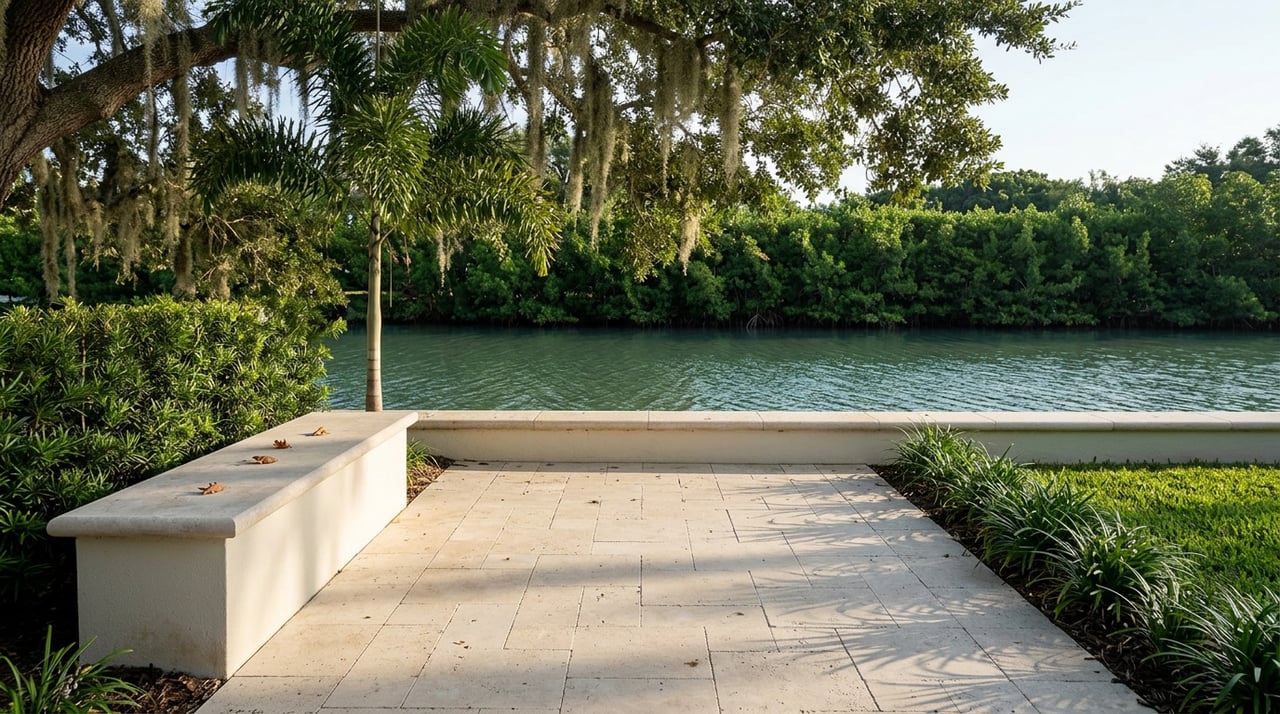
Seawalls are costly to repair or replace, and their elevation relative to local standards influences both resilience and insurance. Buyers and lenders scrutinize age, structural integrity, and signs of heaving or cracking.
Waterfront improvements in Port Royal may require approvals from multiple authorities. Typical projects include dock construction or expansion, seawall repairs, lifts, and dredging. Timelines can run months, and some scopes may need engineered plans and environmental mitigation.
Flood and wind coverage are also key. Many Port Royal parcels sit in higher-risk coastal zones. Elevation, structural features, and proximity to open water can affect premium levels. Availability and cost of insurance are part of the total ownership equation and can influence what a buyer will pay.
Finally, review riparian rights and any deed or HOA restrictions. These documents define where and how you can build or moor, and whether you may dredge. Confirm recorded rights and permitting history early to avoid surprises.
Two Port Royal homes that look similar on paper are not comparable if one cannot safely accommodate a buyer’s vessel. Local appraisals adjust for canal width, end-of-canal positioning, depth, dock capacity, exposure, and seawall condition. Functional limitations, like insufficient turning room or needed seawall replacement, can be treated as functional obsolescence and depress value.
Sellers who provide clear documentation simplify underwriting and buyer confidence. Buyers who identify dock liabilities can negotiate price, escrows, or seller-paid improvements. In both cases, real data drives better outcomes.
Use this checklist to confirm functional value before you commit:
If you plan to list, a targeted prep can protect price and shorten time on market:
A clear water-story helps buyers see the real lifestyle and value. Map out how your vessel docks and turns, the depth at low tide, the prevailing wind on your dock, and the daily time to clear Naples Bay. Provide visuals, surveys, and maintenance records to make it easy for serious buyers to say yes.
If the dock requires work, approach it as a feasibility package. Offer contractor quotes, outline permit pathways, and show a realistic timeline. Buyers respect transparency, and it protects your net proceeds during negotiation.
Ready to evaluate a specific property or plan a discreet sale strategy in Port Royal? Connect with Joe Caveney to Request Private Access & Home Valuation.
Stay up to date on the latest real estate trends.
As full-time Naples residents, the CVJ Team intimately understands our city's unique communities. Whether you're dreaming of a beachfront oasis or a luxurious golf and boating lifestyle, we provide expert guidance to make your buying or selling experience exceptional.