
June 11, 2026
If you have ever wondered why Port Royal waterfront homes feel so distinct, the answer goes beyond curb appeal. In this part of Naples, architecture is shaped by water access, view corridors, privacy, and a design review process that rewards originality within clear neighborhood standards. If you are buying, selling, or simply studying the market, understanding those styles can help you see what gives a home lasting appeal in Port Royal. Let’s dive in.
Port Royal was established in 1959 as a planned waterfront enclave with lots designed for direct access to either the Gulf of Mexico or Naples Bay. That original vision still matters today because homes here are not judged only by how they look from the street. They are also valued for how well they relate to the water, preserve privacy, and fit the lot.
The Port Royal Property Owners’ Association plays an important role in that character. Its architectural review process is intended to preserve property values, maintain compatibility, and protect privacy, while still allowing originality. In other words, Port Royal is not meant to be uniform, but it is meant to feel cohesive.
That framework shapes real design decisions. Plans must show adjacent homes and waterfront view lines, and guidelines address setbacks, drainage, screening for mechanical equipment, and a five-foot waterfront buffer between the seawall or rip rap and hardscape. The association also discourages garage doors facing the street, which helps keep the streetscape more refined and less dominated by utility features.
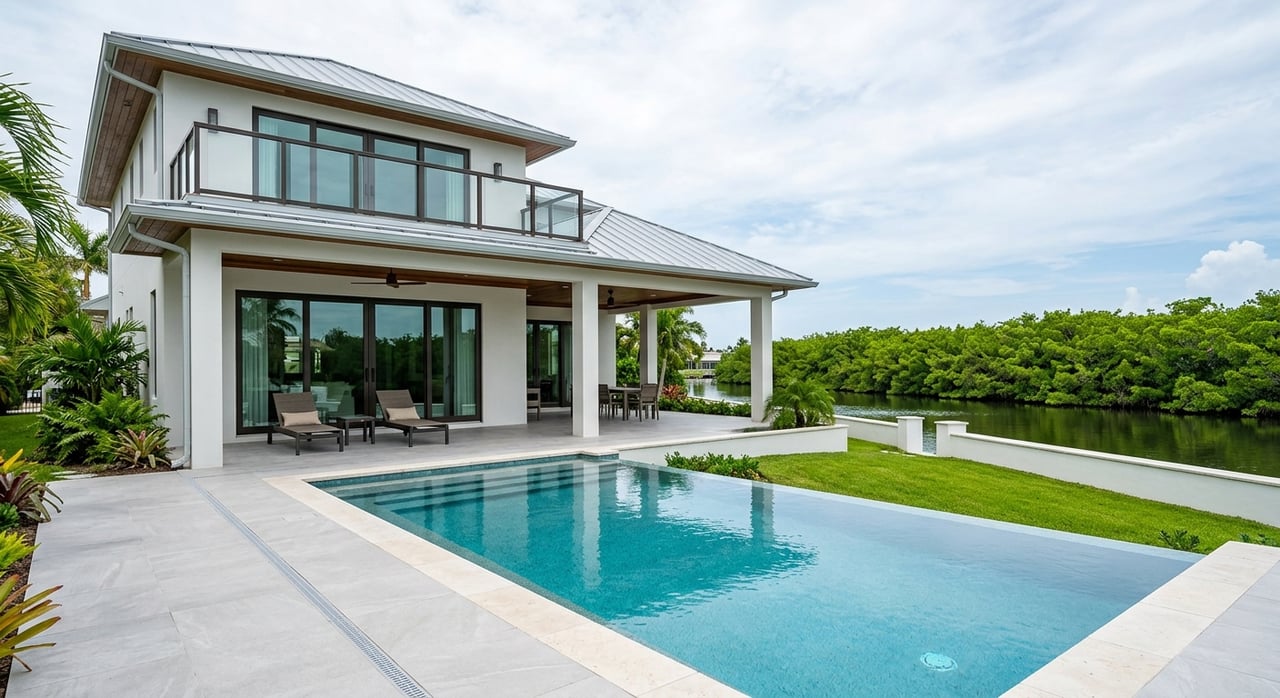
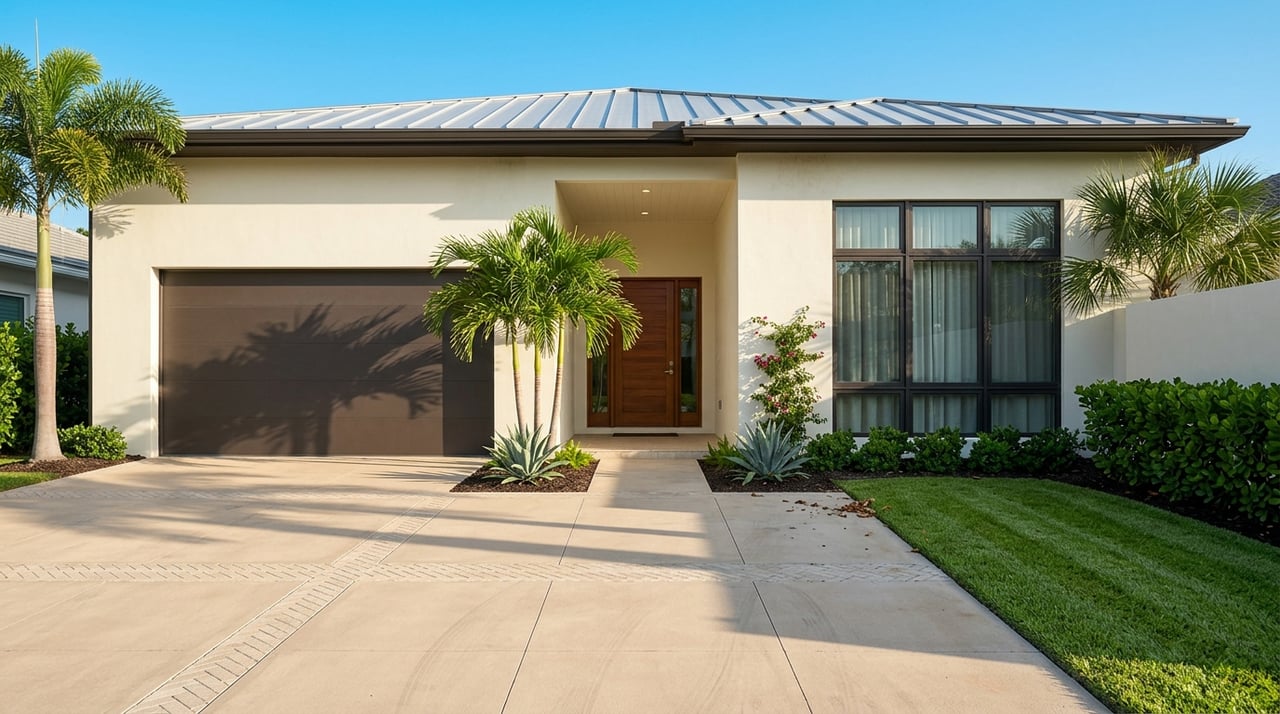
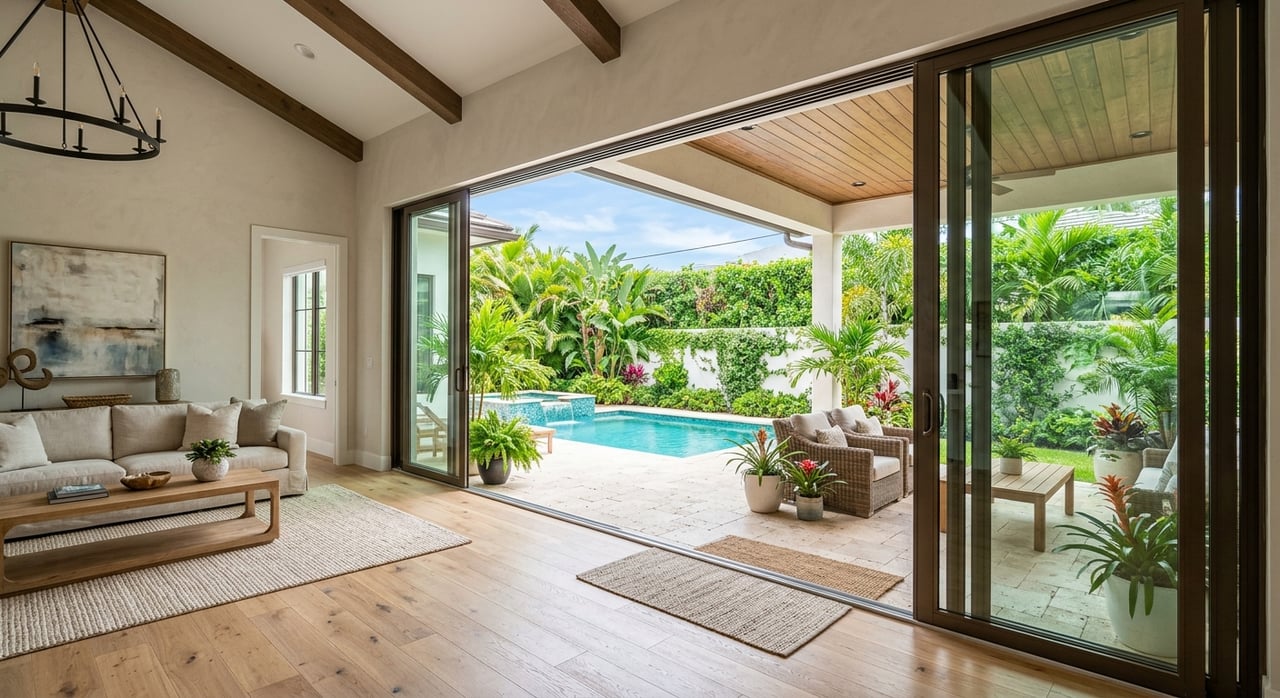
Among recent Port Royal homes, coastal contemporary stands out as one of the most visible architectural directions. This style typically emphasizes large expanses of glass, open floor plans, generous natural light, and a strong indoor-outdoor connection. For waterfront living, those features make practical sense because they help frame water views and support entertaining.
Recent featured homes in Port Royal show this clearly. A 2016 contemporary residence was designed so that all ground-floor rooms opened to outdoor living areas, and it included a two-story great room. A 2023 Port Royal home was described as warm contemporary, with seamless transitions to the outdoors and abundant natural light.
What makes this style especially appealing in Port Royal is its restraint. Rather than relying on heavy ornament, coastal contemporary homes tend to feel clean, open, and polished. That aesthetic aligns well with buyers who want a current luxury look without losing the relaxed feel of waterfront Naples living.
In Port Royal, coastal contemporary homes often share a few key traits:
These homes often feel tailored to the site rather than imposed on it. That site sensitivity matters in a neighborhood where view preservation and compatibility are central to the review process.
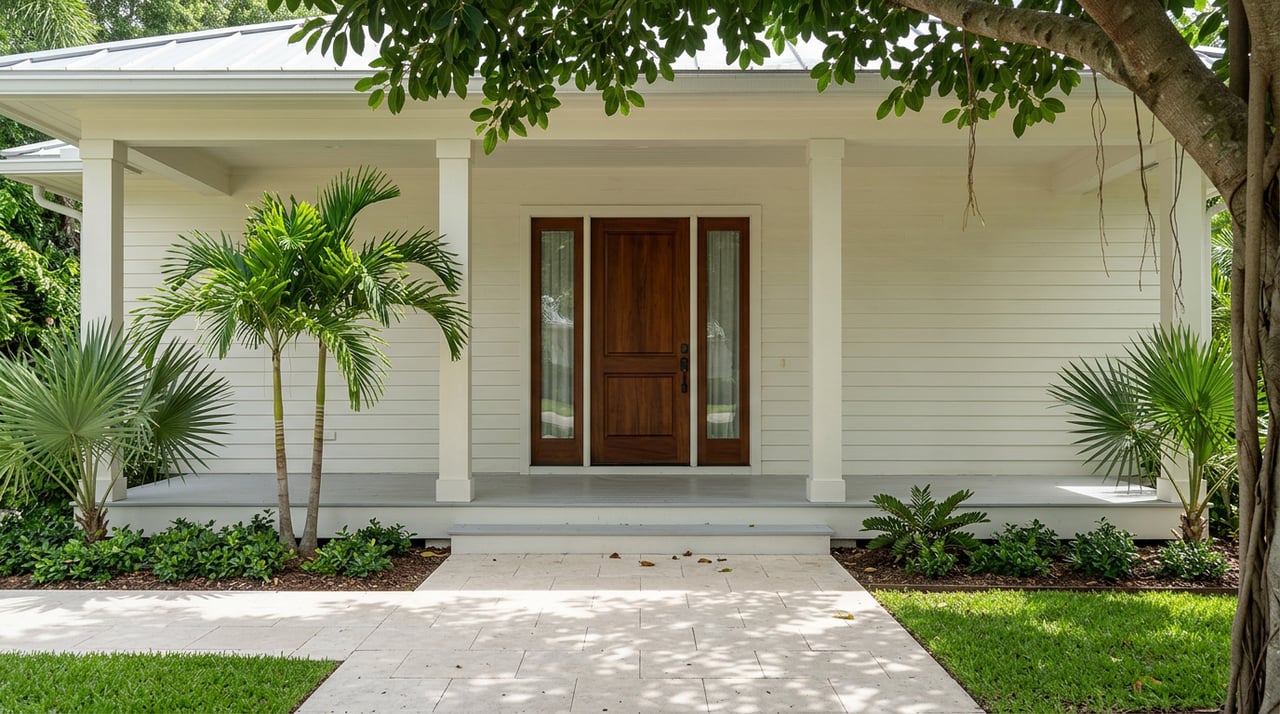
Not every defining Port Royal home leans modern. West Indies-inspired and tropical traditional homes also have a strong presence, offering a softer and more layered interpretation of waterfront architecture. These homes still support indoor-outdoor living, but they often do so with a warmer palette and more texture.
Featured Port Royal properties show this range. One home paired a modernized shell with Bali-style architecture and West Indian influence. Another used Bahama shutters, tabby, pecky cypress, French doors opening to the terrace, and natural materials to create a breezy, relaxed atmosphere.
For many buyers, this style offers a balance between elegance and comfort. It can feel less stark than pure modernism while still delivering the openness and livability expected in a top-tier waterfront home. In a market like Port Royal, that blend can be especially compelling.
This style often includes:
These elements work well in a waterfront setting because they reinforce the connection between the home and the coastal environment. They also fit Port Royal’s preference for homes that feel elegant without appearing visually aggressive.
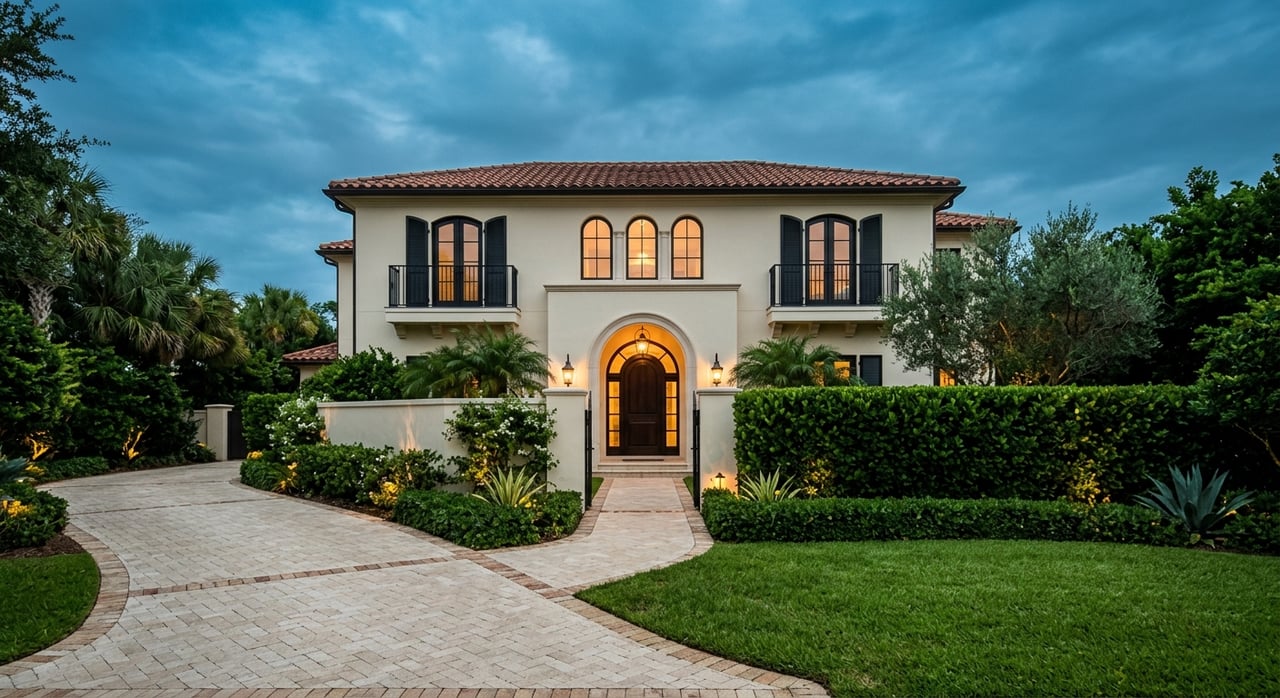
Mediterranean architecture remains part of Port Royal’s story, especially in older homes. For many years, that style helped define luxury residential design across Naples, and legacy homes in Port Royal still reflect that influence. You can still see its imprint in massing, stucco exteriors, and traditional rooflines.
At the same time, recent evidence suggests that many owners are moving away from heavily ornate Mediterranean expressions. Instead of preserving every original detail, some are reworking those homes into lighter, more modern compositions. A clear example is a 2026 Port Royal renovation that began as a 2004 Mediterranean house and was transformed into a cleaner modern design.
That shift says something important about the market. Buyers appear to value homes that feel current, open, and tied to the waterfront lifestyle, even when the starting point is a more traditional structure. In Port Royal, Mediterranean is still relevant, but often as a foundation for reinvention rather than the final design destination.
Port Royal’s design language is also shaped by what is not allowed. Under Port Royal deed restrictions, metal roofing is not permitted. That limitation affects the exterior palette and helps keep the neighborhood’s overall look more subdued and coastal.
This kind of rule may seem small at first glance, but it contributes to long-term visual consistency. In a neighborhood where individuality is encouraged within compatibility standards, those details help create continuity from one property to the next.
In Port Royal, architecture is not only about style. It is also about responding to local floodplain rules in the City of Naples. According to the city, more than 90 percent of city addresses are within the Special Flood Hazard Area, and coastal flood categories such as AE and VE come with floodplain management standards and mandatory flood insurance purchase requirements.
Those rules directly affect how homes are designed. The City of Naples says residential spaces below the design flood elevation are generally limited to parking, storage, and building access. In coastal high-hazard settings, residential floodproofing below the base flood elevation is not permitted.
As a result, many waterfront homes are designed with elevated main living floors. Lower levels are often planned around resilient utility space, access, parking, or breakaway and open components below the elevated living level. That is one reason so many Port Royal homes feel lifted, open, and highly intentional in their vertical layout.
These requirements influence appearance as much as function. They can shape:
In other words, a Port Royal home’s architecture is often the result of both design taste and flood-responsive planning. The best homes make those necessities feel seamless.
In Port Royal, architectural appeal is closely tied to lifestyle. The neighborhood’s history centers on direct-waterfront living, and the Port Royal Club has long been part of that identity with private beach access, dining, tennis, and social events. That context tends to reward homes that feel open to the water, comfortable for entertaining, and mindful of privacy.
The neighborhood’s rules reinforce that value system. Because guidelines focus on view corridors, setbacks, compatibility, and privacy, homes that are elegant without feeling oversized or visually harsh are likely to fit the market well. Style matters, but how a home lives on the lot matters just as much.
Adaptability is another strong signal. Recent projects show that owners are willing to invest heavily in updating homes to reflect a more current coastal-luxury lifestyle. That suggests durable value may be strongest in properties that can evolve over time while still respecting the neighborhood’s review framework.
If you are buying in Port Royal, it helps to look past labels like modern or Mediterranean. Instead, focus on how the architecture supports waterfront living and how well the home aligns with neighborhood standards. A beautiful design is only part of the equation.
As you evaluate a property, consider:
If you are selling, architecture becomes part of the value story you present to the market. Buyers in this segment are often looking for a home that feels both distinctive and appropriate to Port Royal. The most effective positioning shows how the property delivers that balance.
A well-framed marketing strategy can highlight style, livability, waterfront orientation, and long-term adaptability without overstating trends. In a market this nuanced, buyers respond to informed guidance and clear neighborhood context.
Whether you are evaluating a legacy estate, a newer waterfront build, or a property with renovation upside, local architectural context matters. For discreet guidance on Port Royal homes, private opportunities, or a tailored valuation strategy, connect with Joe Caveney.
Stay up to date on the latest real estate trends.
As full-time Naples residents, the CVJ Team intimately understands our city's unique communities. Whether you're dreaming of a beachfront oasis or a luxurious golf and boating lifestyle, we provide expert guidance to make your buying or selling experience exceptional.