
December 4, 2025
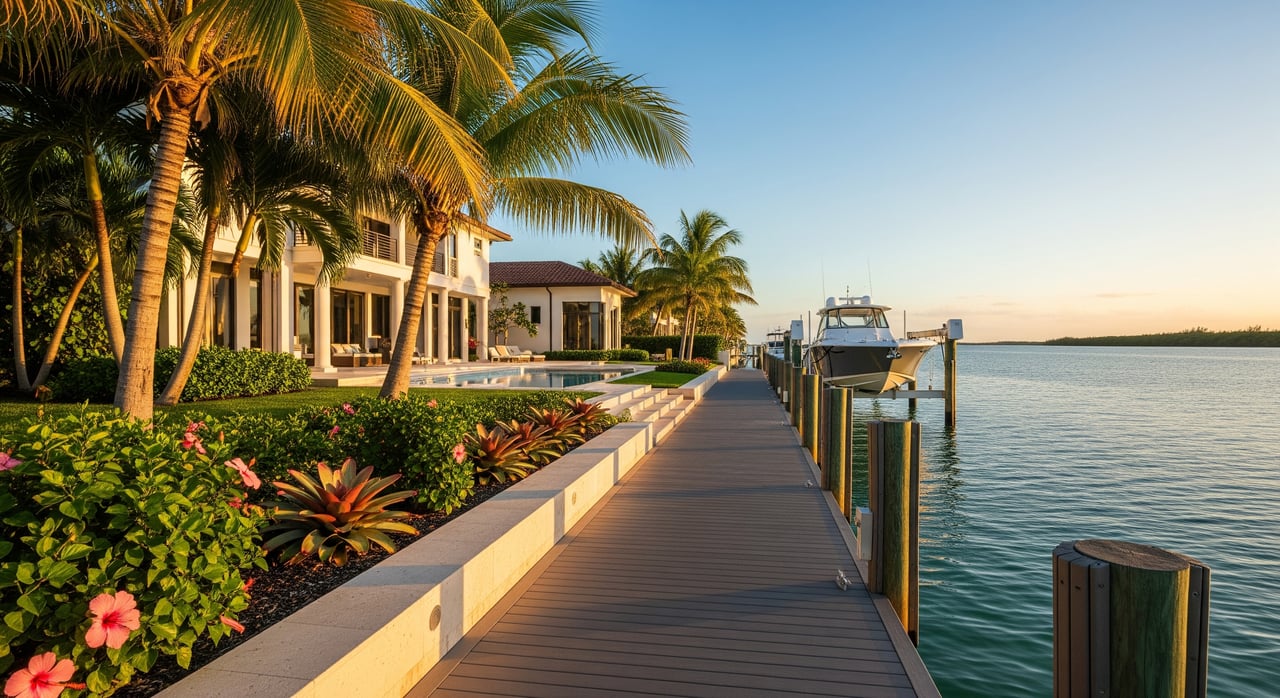
Picture yourself stepping onto your dock in Aqualane Shores, coffee in hand, and deciding on a quick run into the Gulf for a morning cruise. The catch is simple: how fast and how easily can you get there from your canal? If you are buying or selling on the water here, understanding the difference between direct Gulf, no-bridge, and bridge-limited access will shape your boating experience and your property’s long-term resale strength. In this guide, you will learn what each access type means, how to estimate run times from your dock to open water, and what to verify before you write an offer. Let’s dive in.
Direct Gulf access means your route reaches the Gulf of Mexico without encountering low fixed bridges or other vertical obstacles that would block most powerboats or tall-masted sailboats. You may still pass through a bay or inlet, but there are no height restrictions that force special timing or workarounds. For owners, this typically means shorter run times, fewer delays, and more flexibility for spontaneous outings at any time of day.
What it affects for you:
No-bridge access, often called bridge-free, emphasizes that there are no fixed bridges on your route to open water. In practice, this is very similar to direct Gulf access because there are no vertical clearance limits on the way out. You will still navigate channels and a tidal pass, but you avoid bridge delays and clearance concerns. This is attractive if you own a tall-masted sailboat or a larger motor yacht.
Bridge-limited access means your route is constrained by one or more bridges. These can be:
For owners, this can reduce the types of vessels you can run from your dock and add time or coordination to every trip.
Aqualane Shores is a canal neighborhood that feeds into Naples Bay and nearby channels. From the bay, boaters reach the Gulf through a tidal pass. The nearest commonly used inlet for Naples traffic is Doctors Pass. Other options exist farther away along the coast, such as Gordon Pass to the south. Your exact route depends on your canal and the current charted channels.
Every property sits on a slightly different path to open water. Before you buy, verify:
These details affect both your run time and the types of boats you can comfortably operate from the dock.
You can estimate dock-to-Gulf time for any Aqualane Shores address with a straightforward method.
Distances vary by canal and by the path you take through Naples Bay. As a practical planning range:
These are conservative planning figures for typical powerboats. Sailboats and slower vessels will take longer. Real-world times depend on speed zones, tides, and traffic on the day.
Your vessel’s height and draft are central to safe transit. Low fixed bridges block tall masts or towers, and shallow canals or passes can limit deeper-keeled sailboats. Confirm both clearance and depth along the entire route. Some docks or canals can be shallow at lower tides.
Tidal passes often run strong during ebb and flood, and they can shoal seasonally. Check tide and current predictions before heading out. If you draw more water, you may need a higher tide window or a slightly different route based on recent conditions.
Canals and Naples Bay include posted speed limits and manatee protection zones. These areas are enforced, and they affect your total run time. Plan for slow zones, particularly near tight bends and residential stretches.
Movable bridges can add wait times if your route includes one. Some open on request, others on a set schedule, and some have limited night hours. Know the current protocol before you go. Fixed bridges are simpler to plan around, but only if your vessel fits under them with comfortable margin.
Waterfront owners should have a hurricane plan that covers haul-out or protected mooring, plus insurance requirements for their vessel and dock. Immediate Gulf exposure can carry higher wind and surge risk, while no-bridge access often increases a property’s appeal to serious boaters. Balance these factors with your dock’s design and the property’s elevation and flood zone.
Before you buy, confirm that the dock and any boatlift are permitted and sized for your intended vessel. Review seawall condition, dredging history at the property, and any maintenance records that affect long-term usability.
Unobstructed, quick access is usually marketed as a premium feature for waterfront homes. The degree of premium varies by lot, dock, and market cycle. When selling or buying, compare recent neighborhood comps and review current neighborhood trends to understand how access type affects time on market.
Properties with confirmed, convenient routes, permitted docks sized for popular vessel classes, and clean maintenance records are easier to position to boating-focused buyers. Conversely, unclear bridge constraints, unpermitted structures, or uncertain dredging needs can slow a sale. Document your access advantages clearly when listing.
To validate a specific property’s access and your expected run time, assemble the following:
Aqualane Shores delivers a classic Naples boating lifestyle, and your access type shapes how effortlessly you enjoy it. When you understand whether a property offers direct Gulf, no-bridge, or bridge-limited access, you can match the home to your vessel, your cruising style, and your long-term resale goals. If you want a nuanced read on a specific address, including route analysis and market positioning, connect with Joe Caveney and The CVJ Team for discreet, data-backed guidance.
Stay up to date on the latest real estate trends.
As full-time Naples residents, the CVJ Team intimately understands our city's unique communities. Whether you're dreaming of a beachfront oasis or a luxurious golf and boating lifestyle, we provide expert guidance to make your buying or selling experience exceptional.